

Markets look steady on the surface, but underneath, leadership is shifting, risk is rising, and long-term discipline matters more than ever. Let’s break it down.
State of Capital
Markets continue to operate in a more cautious and selective environment.
While headline indices remain resilient, leadership beneath the surface is shifting in meaningful ways. Broad participation is slowly returning after an extended period of narrow, mega-cap dominance—an important signal for long-term investors.
As of January 31, 2026, the S&P 500 gained approximately 1.5%. Small-cap stocks, represented by the Russell 2000, experienced their weakest week since October, despite remaining up roughly 5% over recent months. Energy and telecommunications led performance, while the 10-year Treasury yield quietly moved higher to approximately 4.22%.
This is what a rotation environment looks like. Leadership is changing, correlations are adjusting, and capital is being forced to reallocate more thoughtfully.
Policy & Economics
Interest rates remain the foundation of today’s market narrative.
The Federal Reserve held rates steady at its most recent meeting, a widely expected outcome. However, markets continue to debate the timing and likelihood of future rate cuts. Policy uncertainty remains elevated, and confidence in long-term central bank credibility is increasingly important.
Recent discussion surrounding Kevin Warsh’s nomination to the Federal Reserve has added another layer of complexity.
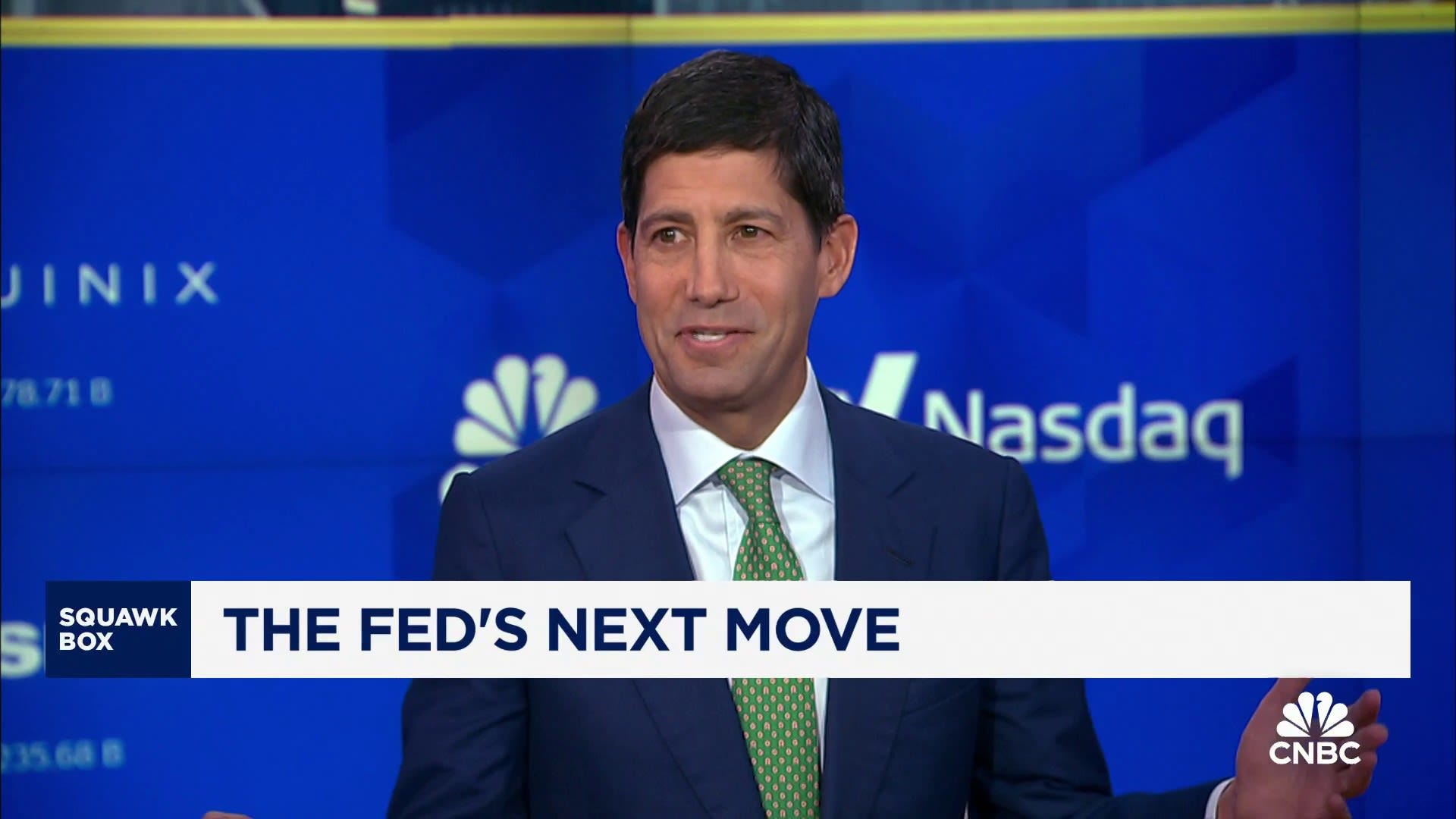
His emphasis on balance sheet discipline and currency stability has reinforced investor focus on monetary credibility, while political scrutiny of Federal Reserve governance continues to introduce uncertainty around leadership transitions.
At the same time, precious metals experienced heightened volatility. Gold and silver declined sharply late in the week, marking one of their weakest sessions in decades. Despite this, both remain meaningfully positive year-to-date—reflecting the push and pull between inflation hedging and shifting rate expectations.
In this environment, stability and credibility matter.
The Breakdown
At its core, investing is about ownership.
A stock represents a claim on a real business. Nothing more. Nothing less.
During this week’s Breakdown, we used a simple lemonade stand example to explain how ownership works—from a single owner enjoying all the profits to millions of shareholders participating in the growth of a global company

When you buy a stock, you are purchasing a stake in that business.
The company can either distribute profits to owners or reinvest them to compound long-term value. Both paths can be effective, depending on your objectives.
This is why successful investing must always align with risk tolerance, time horizon, income needs, and long-term goals. When investments are disconnected from those fundamentals, unnecessary risk is introduced.
Professional investors do not succeed by chasing headlines. They succeed by managing risk, rebalancing intentionally, and maintaining patience through cycles.
The Conversation
Markets remain investable, but the margin for error is narrowing.
Leadership is rotating. Policy risk is rising. Volatility is returning.
In environments like this, capital preservation and risk management are just as important as return generation. Diversification matters more than momentum, discipline matters more than predictions, and process matters more than noise.
At NJK Partners our focus remains on helping families build resilient portfolios designed for real life, not just strong markets.
Closing Thought
Calm markets can be misleading. The real work happens underneath.
Periods of rotation and uncertainty aren’t signals to step away—they’re signals to get clearer. Clearer about risk. Clearer about priorities. Clearer about what actually matters over a full market cycle.
The investors who do best aren’t louder or faster. They’re prepared.
Look at that video!!!🔥🔥🔥🔥