

Market Strength Masks Fragile Undercurrents
As of September 5, the S&P 500 is up roughly 11% YTD, with the telecommunications sector leading (+24%) while healthcare lags (+1.2%).¹ The Russell 2000—a barometer for smaller-cap equities—is up about 8%, signaling that the rally has broadened beyond mega-cap dominance.
Real assets also continue to attract flows. REITs are up 10% YTD, while precious metals have surged nearly 40% as central banks diversify reserves away from the U.S. dollar.²

Labor Market: Slowing Momentum
August’s jobs report disappointed: analysts expected ~75K new jobs, but the economy produced fewer than 25K, with prior months revised downward.³ This data confirms a cooling labor market despite corporate earnings exceeding forecasts (11% vs. 4%). Executives appear to have adopted a “wait-and-see” posture in the face of tariff policy uncertainty.
The JOLTS survey reinforces this slowdown: post-COVID, job openings reached nearly 2 per unemployed worker; today, that ratio is closer to 1:1.³ While the American consumer remains resilient—two-thirds of GDP is driven by consumption—the slowdown in hiring may dampen confidence if it persists.
Policy Outlook: Fed on Deck
With job growth slowing, the Federal Reserve may see justification for a rate cut at next week’s meeting. A cut, however, primarily impacts the short end of the curve (<5 years), while longer-dated yields remain anchored by global capital flows and mortgage/auto markets.
Still, the risk of stagflation—rising inflation alongside slowing growth—cannot be ignored given tariff pressures and weak labor prints.
Global Signals: Gold, the Dollar, and Real Assets
Gold and other precious metals remain strong as global central banks steadily reduce exposure to the U.S. dollar—a decade-long trend that has accelerated in recent quarters.² The dollar itself has weakened YTD relative to peer currencies, reflecting diminished confidence amid fiscal and policy uncertainty.³
At the same time, traditional U.S. manufacturing has contracted in 2025 despite federal reshoring incentives. Yet capital investment continues to pour into data centers, driven by surging demand from artificial intelligence workloads—one of the clearest secular growth trends for investors.⁴
Investor Perspective: Cycles, Deficits, and Concentration Risk
Markets remain resilient even as macroeconomic textbooks would suggest turbulence:
A national debt above $34 trillion, with credit rating downgrades over the past 15 years.⁵
Persistent fiscal deficits, recently widened by tax policy changes.
Elevated interest rates alongside inflationary pressures.
Equities continue to shrug off these headwinds thanks to outsized earnings growth (11% vs. 4% expected) and the dominance of the “Magnificent 7.” Yet concentration risk looms: should markets be forced to digest “bad news,” the potential for a short burst of volatility remains acute.²
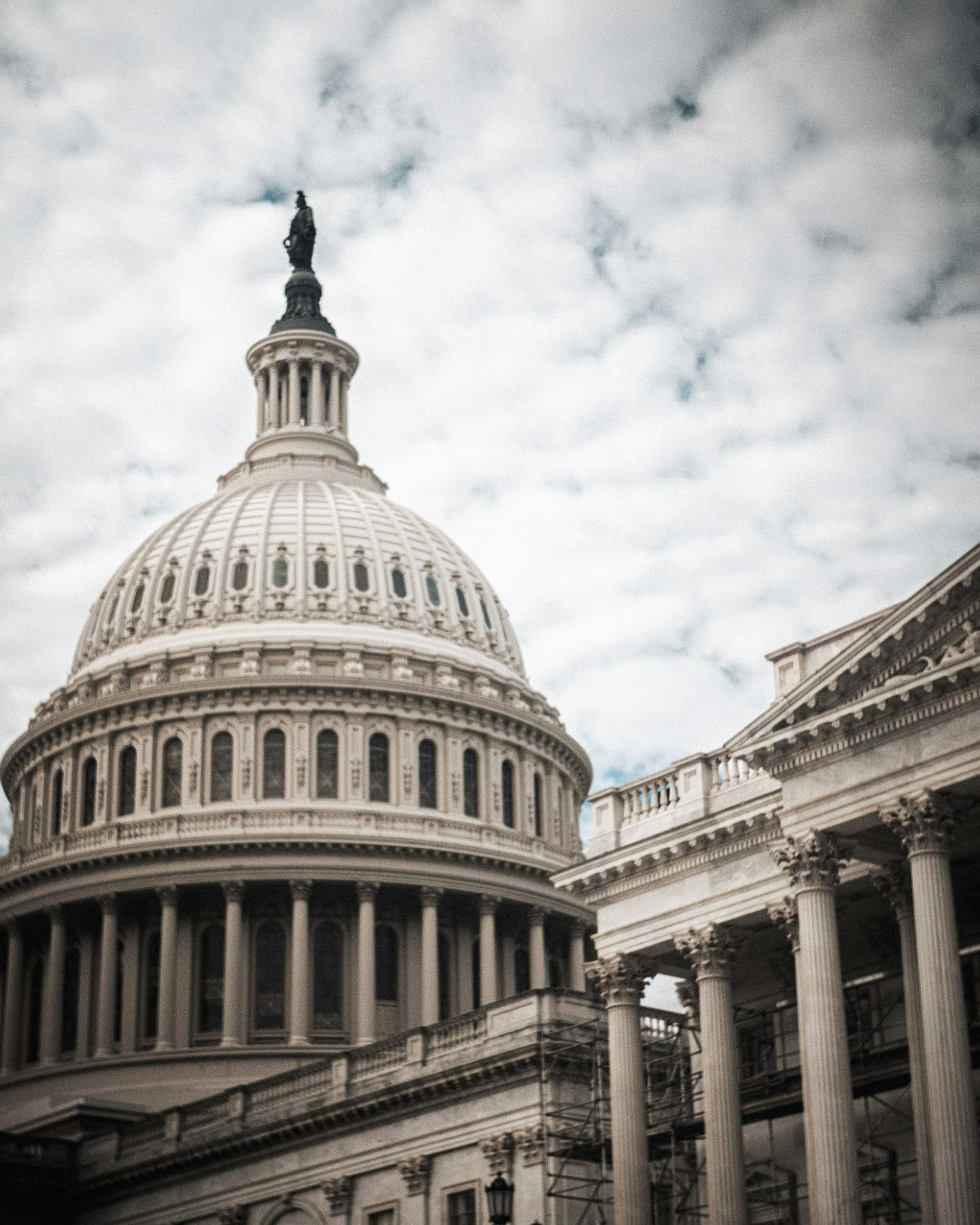
Photo by Will Colavito on Unsplash
This Week’s Takeaway
Investors face a paradox: strong corporate earnings and durable consumer spending versus weakening job growth and rising policy risks. We continue to see opportunity in real assets, gold, and AI-driven infrastructure, while remaining cautious on traditional manufacturing and sectors vulnerable to tariff shocks.
Community Spotlight: Honoring The Community Amongst Educators
As schools reopen, I’m reminded how much it truly takes a village to raise and support our kids. Teachers, PTAs, janitors, cafeteria staff, main office teams, bus drivers—every single role matters. Here in our own community, the PTA has been a constant example of that collective effort, showing up with creativity, time, and heart to make sure families feel supported.

Watching Fatima serve as PTA President has given me a front-row seat to the kind of unseen work that makes schools run smoothly—organizing events, rallying volunteers, bridging parents and staff. But it’s not just one person; it’s hundreds of hands and hearts working together.
Those efforts don’t just support students; they strengthen families, neighborhoods, and the foundation of our broader economy. At NJK, we call this the family economy ecosystem—the everyday network of people, businesses, and institutions that make families stronger. Schools sit right at the center of it, reminding us why investing in community matters so much.
To every member of the school community: thank you. Your impact extends far beyond the classroom, and we’re deeply grateful.